
Expert insight from Dr. Richard Cunningham, Orthopaedic Surgeon at Vail-Summit Orthopaedics & Neurosurgery
Key Takeaways
- A patient who underwent a technically successful rotator cuff repair can still struggle due to compromised biology, tissue quality, or rehab factors.
- A failed rotator cuff surgery does not always mean the initial procedure was done incorrectly.
- Tendon healing depends on a good surgical repair, adequate blood supply, a supervised rehab program, and modifying patient specific risk factors.
- Revision rotator cuff surgery for retears may be warranted if there were problems with the initial repair or if there was unexpected trauma that disrupted the repair.
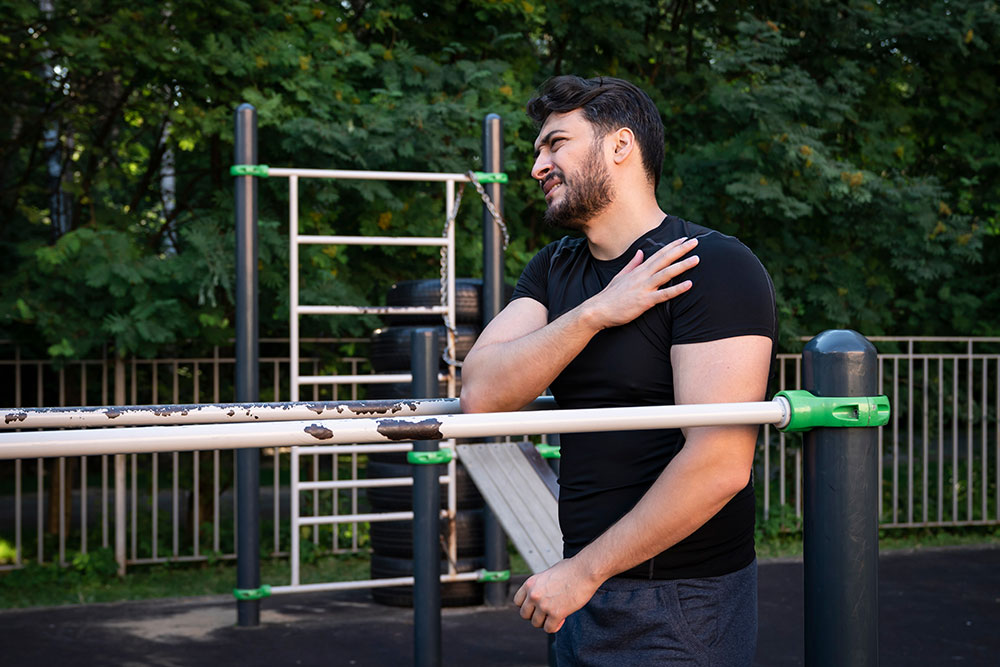
Rotator cuff repair surgery has advanced significantly over the last two decades. Modern techniques allow surgeons to restore anatomy with impressive precision. Yet despite technically well done procedures, better implants, and stronger suture material, some patients who have rotator cuff surgery continue to experience pain, weakness, or stiffness. In some of these cases, the rotator cuff may not have healed and there is re-tearing. When this happens, it can be frustrating for both patients and surgeons.
Below, Dr. Richard Cunningham explains why a failed rotator cuff surgery can occur even when the operation itself went well, and what patients should understand if recovery does not go as planned.
A Good Surgery Does Not Always Guarantee Good Healing
A successful rotator cuff repair involves more than placing anchors and sutures correctly. Healing depends on how well the tendon can integrate back into bone. Unlike fractures, tendon to bone healing is slower and less predictable.
Dr. Cunningham explains, “We can restore the tendon attachment anatomically, but the biology of healing is just as important as the mechanics of the surgery.”
This means patients with larger more retracted tears, compromised blood supply, or metabolic conditions may have a higher risk of a failed rotator cuff surgery even when the surgical technique is sound.
Poor Tendon and Muscle Quality Before Surgery
Full thickness rotator cuff tears slowly retract away from their native attachment site over time. Because the tendon is not attached to bone and the muscle is not functioning, eventually there is fatty infiltration of the muscle, in which the muscle cells are replaced by fat cells. This process is irreversible such that if the tendon is repaired and heals back to bone, there may be some permanent loss of strength and some pain.
“When patients present with rotator cuff tears that have slowly worsened over several years, the torn tendons may be so retracted that they are not reparable. This is an unfortunate situation for these patients as they often have to live with shoulder pain and weakness until symptoms get so severe that their only option is shoulder replacement” says Dr. Cunningham. “That is why it is important for younger, more active people with ongoing shoulder pain and weakness to get a diagnosis and determine if they have a full thickness rotator cuff tear.”
Rehabilitation Plays a Larger Role Than Most Patients Realize
Rehab is one of the most common contributors to outcomes following rotator cuff surgery. Moving too aggressively can overload the repair, while prolonged immobilization can lead to stiffness and weakness.
Dr. Cunningham emphasizes, “Surgery sets the stage, but physical therapy is what determines how well the shoulder ultimately functions.”
Improper rehab progression is one reason some patients eventually require revision rotator cuff surgery even though their initial procedure was technically successful. It is critical to only do passive range of motion for the first 6-8 weeks after rotator cuff repair (this time varies based on the size of the tear and amount of retraction). By doing passive range of motion, one prevents scar tissue from building up in the shoulder, while also not stressing the repair. If one were to do active range of motion directly after surgery and engage the shoulder muscles, they are pulling on the tendon repair and the repaired tendon may then not heal back to the bone.
Patient Related Risk Factors Matter
Age, smoking, diabetes, and bone quality can all negatively influence tendon healing. These factors do not obviate the decision to proceed with surgery, but they increase the likelihood that healing may be slower or incomplete.
Dr. Cunningham notes, “We evaluate each patient individually. Taking into account risk factors helps us better plan surgery, guide rehab, and reduce the chance of a failed rotator cuff surgery.”
This individualized approach is especially important when deciding whether revision rotator cuff surgery is appropriate.
When Revision Surgery Becomes Necessary
Not all rotator cuff tendon retears require another operation. Some patients who have partial rotator cuff repair healing can still do well with minimal pain and reasonable function. However, when pain, weakness, or loss of function persists, and there is MRI evidence of a complete retear, then revision rotator cuff surgery may need to be considered, particularly if there were technical shortcomings with the surgery or if patients had a fall and reinjured their shoulder.
Revision procedures often involve different strategies such as biologic augmentation, tendon transfers, or alternative suture constructs and fixation methods. Outcomes depend on identifying why the original rotator cuff repair failed and addressing that specific issue.
“Revision surgery is about problem solving,” says Dr. Cunningham. “When we understand the reason for failure, revision surgery results can still be very good.”
When to Seek a Second Opinion
If you have ongoing pain or weakness months after surgery, it is reasonable to see your shoulder surgeon who will perform a thorough history, physical exam, and most likely order a repeat MRI. Early evaluation can also prevent unnecessary progression toward revision rotator cuff surgery if non-surgical solutions may still help.
About Dr. Richard Cunningham
Dr. Richard Cunningham is a board certified orthopedic surgeon and shoulder and knee sports medicine specialist at Vail-Summit Orthopaedics and Neurosurgery. He specializes in complex shoulder injuries, rotator cuff repair, and advanced revision procedures. Dr. Cunningham is known for his thoughtful, evidence based approach and commitment to helping patients return to pain free, functional movement. Contact us today!